A Small Business Resource Center for Northeast Ohio Entrepreneurs
At GLIDE, our expert team, resources, and funding opportunities help you refine your business process and ideas into a commercial success.

At GLIDE, our expert team, resources, and funding opportunities help you refine your business process and ideas into a commercial success.
Our small business resource center provides a wealth of offerings to help you build sound practices and bring your vision to life.

We offer our entrepreneurs an amenity-rich incubator space that provides everything needed to focus on growing your business and building meaningful relationships. Learn more and schedule a tour today.
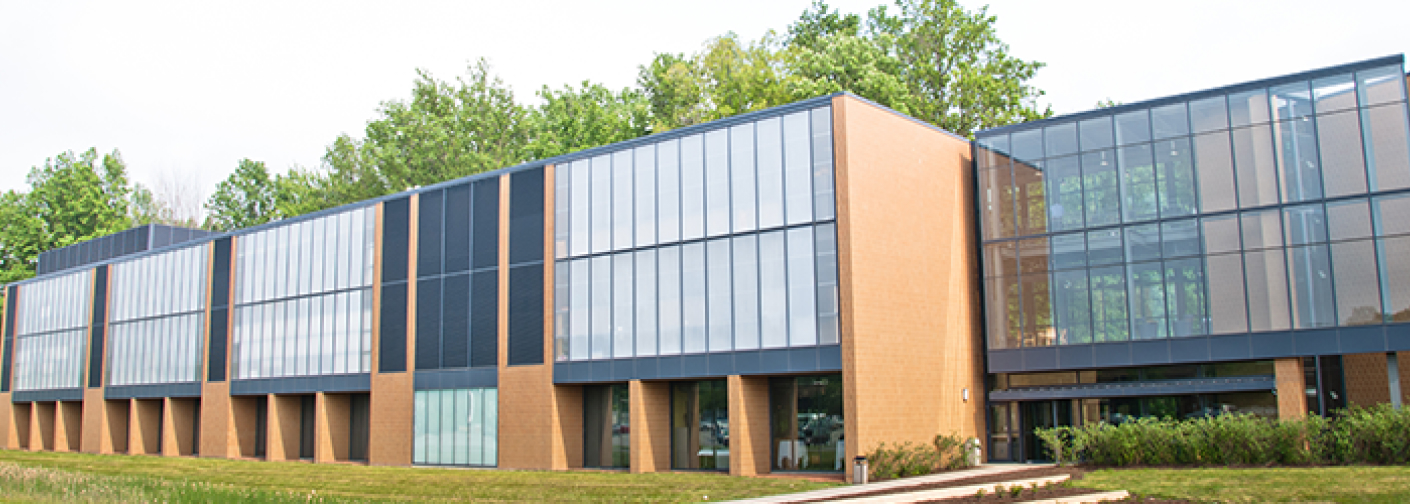
Located at the Lorain County Community College campus, GLIDE is a regional innovation center, business hub, and incubator space offering comprehensive services and support to tech startups in Northeast Ohio. Meet our team and discover how we support this thriving community.
Entrepreneurs Assisted
Portfolio Companies Mentored
Companies Currently Incubating
Revenue Growth
Follow-On Funding
Jobs Created
Our small business resource center has successfully helped thousands of entrepreneurs achieve commercial success — and positively influence the Northeast Ohio economy and job market — through expert guidance, partnerships, and funding opportunities.
